
25 Non-Toy Gifts for Kids Who Already Have Everything
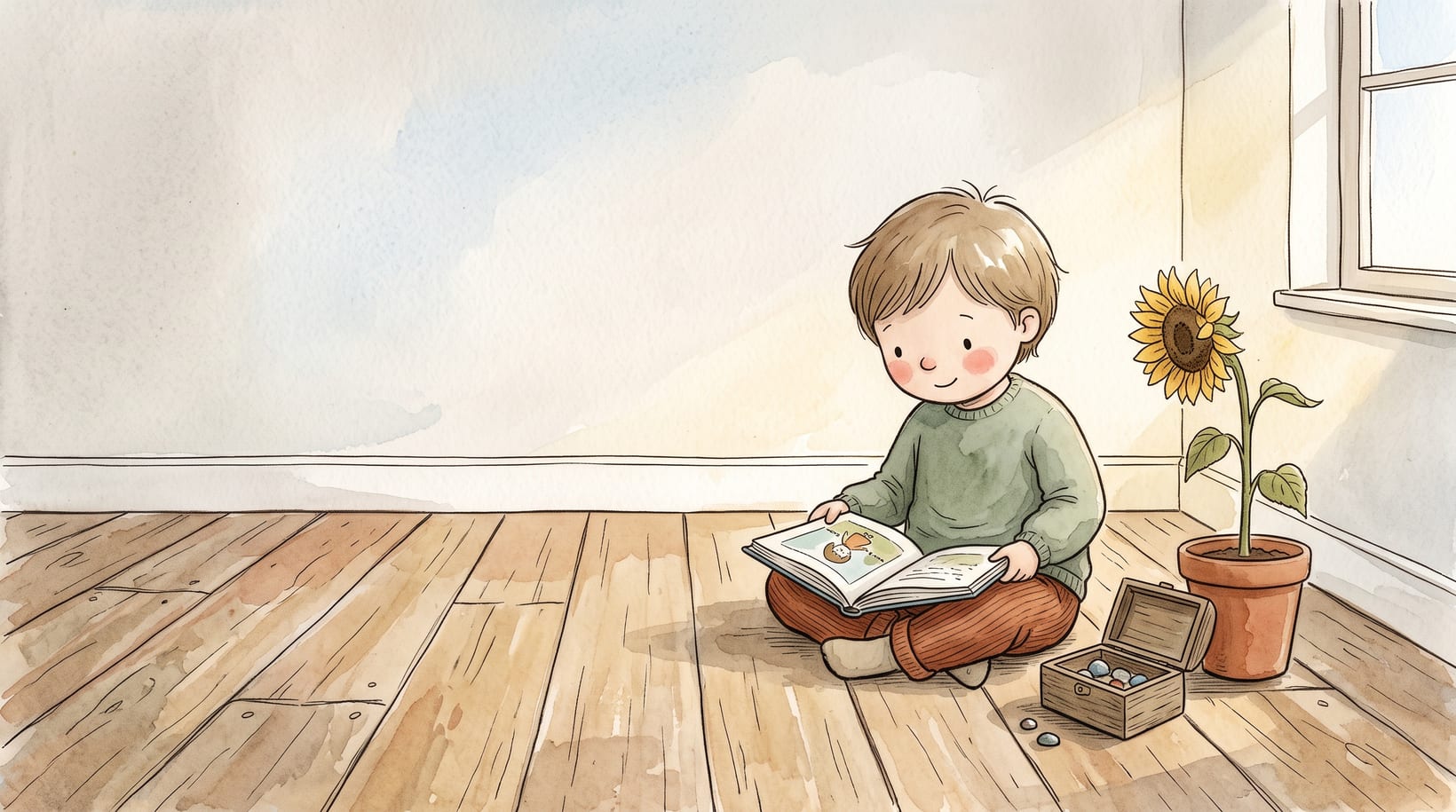
There's a particular feeling that hits somewhere around a child's third birthday: you look at the pile of gifts, then at the toy bin that's already overflowing, and you think — where is any of this going to go?
The instinct to buy fewer, better things isn't stinginess. It's a response to something most parents notice on their own. And if you're the aunt, the grandparent, or the friend trying to bring something to the party, "non-toy" can feel like a constraint. It isn't. It's usually the gift the child still has in five years.
The short version: the best non-toy gifts fall into four groups — keepsakes that earn their shelf space, experiences that leave no physical trace, consumables that get happily used up, and skill-builders that become an ability instead of an object. Here are 25, sorted that way, plus a quick guide by age.
First, the case for fewer things
This isn't only an aesthetic preference. Researchers at the University of Toledo ran a study, published in Infant Behavior and Development, observing 36 toddlers aged 18 to 30 months in free play. Each child played in two conditions: one with four toys available, one with sixteen.
With four toys, the toddlers played with each one roughly twice as long, and found about 60% more different ways to use it. More options produced shorter, shallower, more scattered play. Fewer options produced focus and invention.
A crowded toy shelf doesn't give a child more to do. It gives them more to skip past.
Which reframes the whole gift problem. You're not looking for the thing that stands out on the shelf. You're looking for the thing that doesn't need a shelf at all.
Keepsakes — things they actually keep
- A personalized book starring the child. The rare gift that's both an object and a memory. When a child is the main character — their name, their adventure — it gets requested at bedtime for years and then kept long after they've outgrown reading it. It's a book and a record of who they were that year.
- A keepsake box. A real wooden box with a lid that closes properly, for hospital bracelets, first teeth, ticket stubs, and rocks that seemed important. Kids take custody of their own history surprisingly seriously.
- A family story, written down. The one about how their grandparents met, or the dog who ate the birthday cake. Family stories usually live in the retelling and then quietly disappear. Putting one on paper is a genuine act of preservation.
- One good framed print of their own art. Take the painting they were proudest of, frame it properly, and hang it at their eye level. The message — your work is worth framing — lands harder than almost anything you could buy.
- An annual ornament or charm. One per year, chosen for something that actually happened that year. By age ten it's a timeline they can hold.
- A letter to be opened later. Written now, sealed, addressed to them at sixteen or eighteen. Give it to the parents to hold. It costs nothing and it is, reliably, the gift that makes someone cry.
- A wooden growth chart. Replaces the doorframe pencil marks you can't take with you when you move — and it survives the move.
Experiences — nothing to store
- A children's museum membership. The highest-value gift on this list for most families. A year of rainy-day escapes, and it costs about what two mid-range toys do.
- Zoo or aquarium season pass. Same logic, and small kids are perfectly happy to visit the same three animals forty times.
- Swim lessons. Practical, ongoing, and quietly one of the most useful things you can give a small child.
- A standing date with one grown-up. The first Saturday of every month, just the two of you. For a child in a busy family, undivided attention is genuinely scarce.
- Their first live show. A puppet theatre, a kids' concert, a local pantomime. The first time a curtain goes up tends to stick.
- A train or ferry ride to nowhere. Ride out, have lunch, ride back. Children under seven do not need the destination to be interesting.
- A backyard campout kit — used that night. The tent matters less than the fact that you're sleeping in it together.
Consumables — used up, not stored
- Serious art supplies. Not the 200-piece plastic case. Good thick paper, real brushes, paints that don't dry out. The quality difference is obvious even to a four-year-old.
- A baking afternoon. Ingredients, an apron that fits them, and a scheduled date to make something together.
- A magazine subscription. Something arriving in the post with their name on it, every month, is thrilling in a way that's hard to explain to adults.
- Seeds and a pot that's theirs. Sunflowers are the reliable choice — fast, dramatic, and hard to kill.
- Bath and bubble supplies. Fizzing, colour-changing, extremely temporary. Gone within the month and no one is sad about it.
- A "yes day" voucher. One day, within reason, where they choose. Costs nothing, remembered for years.
Skill-builders — becomes an ability
- Real kitchen tools, child-sized. A safe knife, a small whisk, a step stool. Being trusted with real equipment is the actual gift.
- A magnifying glass and a bug house. Turns an ordinary garden into somewhere worth investigating.
- A proper first jigsaw. Wooden, chunky, difficult enough to require a second attempt.
- A dress-up bin of basics. Capes, hats, scarves, a length of fabric — open-ended, unlike a licensed costume that can only be one character.
- A beginner instrument. A ukulele, a decent xylophone, a hand drum. Loud, admittedly. But it becomes a skill rather than an object.
Which to choose, by age
Ages 0–1. The gift is really for the parents, so lean fully into keepsakes: a personalized book, a keepsake box, a letter for later. The baby won't remember it. That's precisely why the record matters.
Ages 2–3. Repetition is everything. Books they'll demand nightly, art supplies, bath things, a museum membership. Avoid anything requiring patience or waiting.
Ages 4–5. The sweet spot for stories in which they're the hero — this is the age when children genuinely believe it, and it visibly shapes how they see themselves. Also strong: first live shows, baking, real tools.
Ages 6–7. Skill-builders come into their own. Instruments, jigsaws, seeds, magazine subscriptions. They can now anticipate a future event, so experience gifts land properly instead of confusing them.
How to give one without disappointing anybody
The honest risk with non-toy gifts is the moment of unwrapping. A child tearing paper off an envelope containing a printed membership certificate is not, in that instant, thrilled.
Three things fix this almost entirely:
- Give them something to physically hold. A book, a box, a kit. Even for an experience gift, wrap a small physical token: goggles for swim lessons, a toy animal for the zoo pass.
- Let them open it and use it the same day. Immediacy is what small children respond to. A gift they can start within the hour is never a letdown.
- Tell the child what it's for, in their language. Not "a membership" but "we can go see the penguins any time we want, all year." Same gift, entirely different reception.
If you only pick one
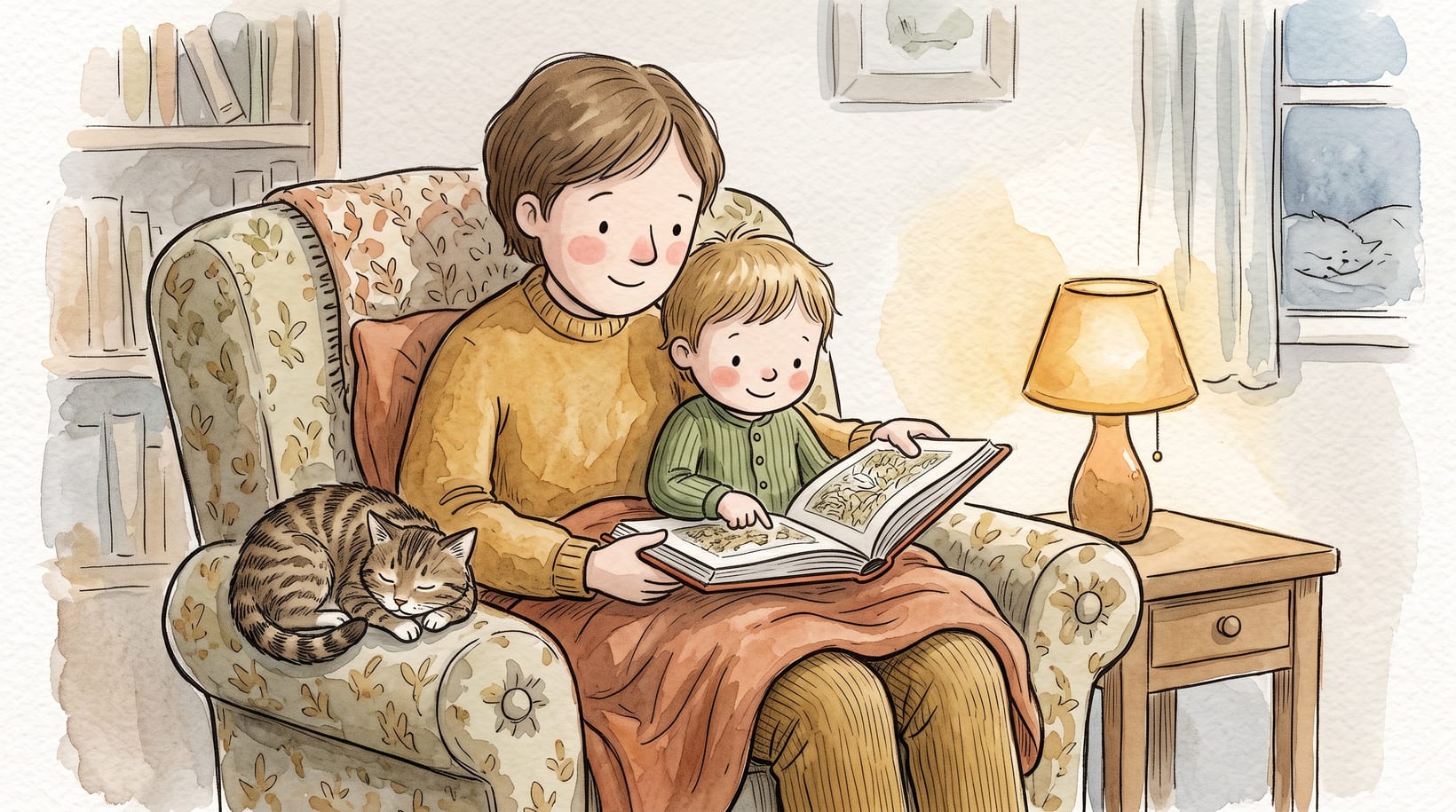
Across every one of these categories, books keep surfacing — they're re-read rather than outgrown, parents are glad to receive them, and they take up almost no space. A personalized one does something extra: it fixes a specific birthday in place. The child was five, they loved foxes, and here is the book where they were the hero of that year.
That's the thing a toy can't do. Toys mark a phase you pass through. A book with their name in it marks the moment they were in.
If you want to make one, our step-by-step guide to making a personalized children's book walks through the whole process, and we've collected more occasions worth turning into a book in our personalized book gift ideas roundup.
Make the gift they'll still have at sixteen.
Write the story or generate it from a name and a theme, choose an art style, and hold the finished hardcover in your hands.
Join the waitlist